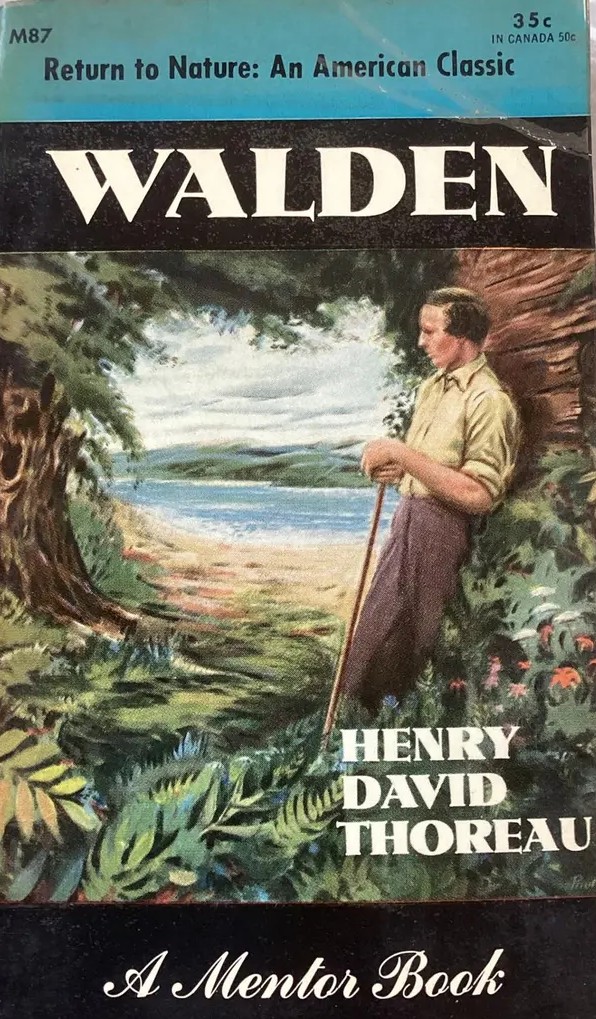
Ep 32 Paperback Classics: Walden by Henry David Thoreau
Show Notes
In this episode we will be discussing a defining classic of American Literature – Henry David Thoreau’s Walden is a philosophical reflection on simple living, self-reliance, and the pursuit of spiritual awakening. It documents the author’s experiment of living for over two years in a self-built cabin near Walden Pond in Massachusetts, critiquing materialism and urging readers to live deliberately. Published in 1854, Henry David Thoreau’s Walden didn’t become a massive bestseller overnight. In fact, it took years to sell out its first printing of 2,000 copies. Yet today, it stands as a cornerstone of American literature.
My co-host for this episode is Lauren Elise Daniels. She previously appeared on Ep. 14 Classic Paperbacks: Man’s Search for Meaning by Victor Frankl. She is a writer and an editor of over 150 titles. She’s also a 2-time Bram Stoker and 3-time Australasian Shadows Awards finalist, as well as a finalist for the Shirley Jackson, Aurealis, and Ditmar Awards for fiction, editing, and poetry. She’s from Rhode Island but currently resides in Brisbane, Australia.
Links
- A great paperback edition is the Annotated Walden from Yale University Press
- Guided tour (virtually) of Thoreau’s cabin
- If you want to visit Walden cabin check here
- Fine analysis of Walden from Jack yang
- How Wolves Change Rivers video
Co-Host Lauren Elise Daniels

She is a writer and an editor of over 150 titles. She’s also a 2-time Bram Stoker and 3-time Australasian Shadows Awards finalist, as well as a finalist for the Shirley Jackson, Aurealis, and Ditmar Awards for fiction, editing, and poetry. She’s from Rhode Island but currently resides in Brisbane, Australia.
Bram Stoker Award® Shirley Jackson,Ditmar, Australasian Shadows, & Aurealis Finalist
editor Brisbane Writers Workshop
author Serpent’s Wake: A Tale for the Bitten, Winning Short Story Competitions
abn 7119 033 6714
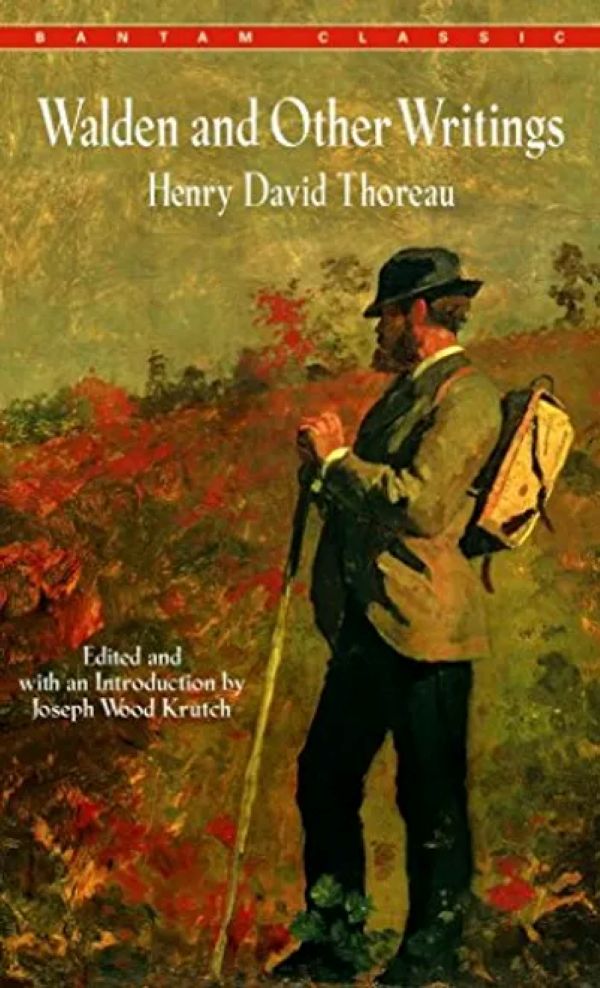
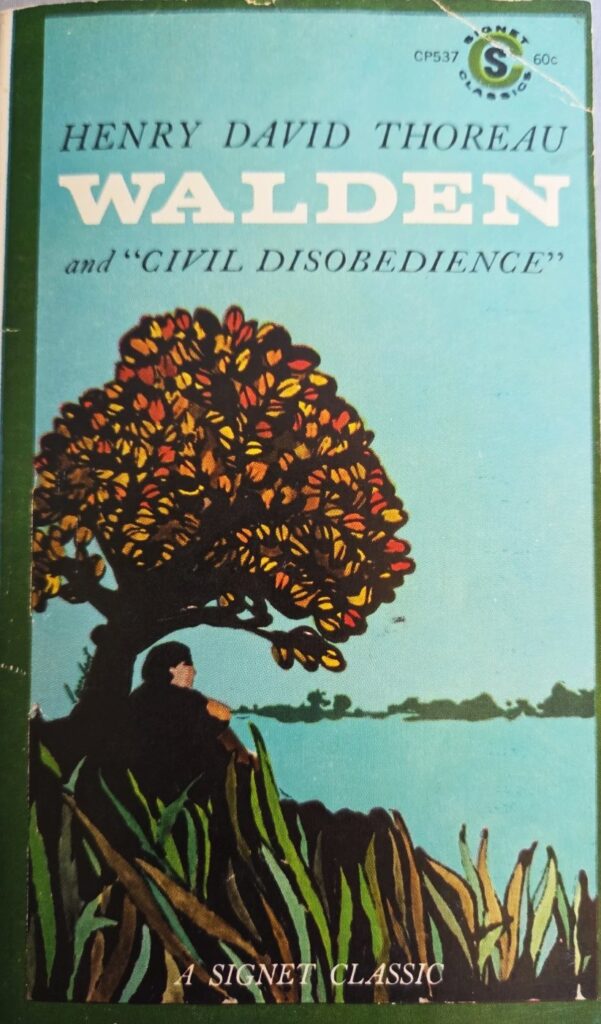
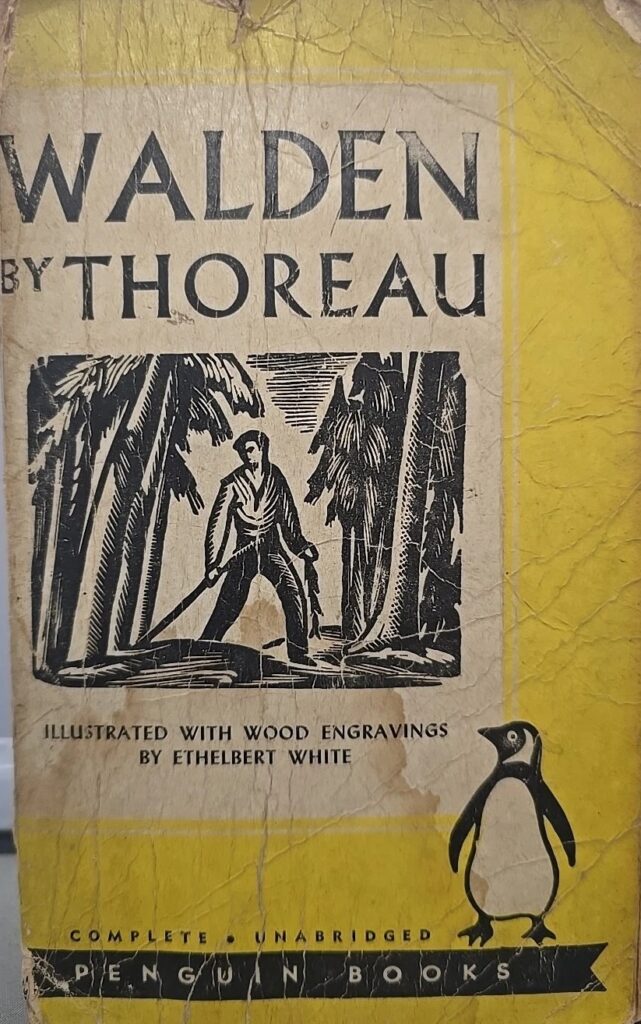
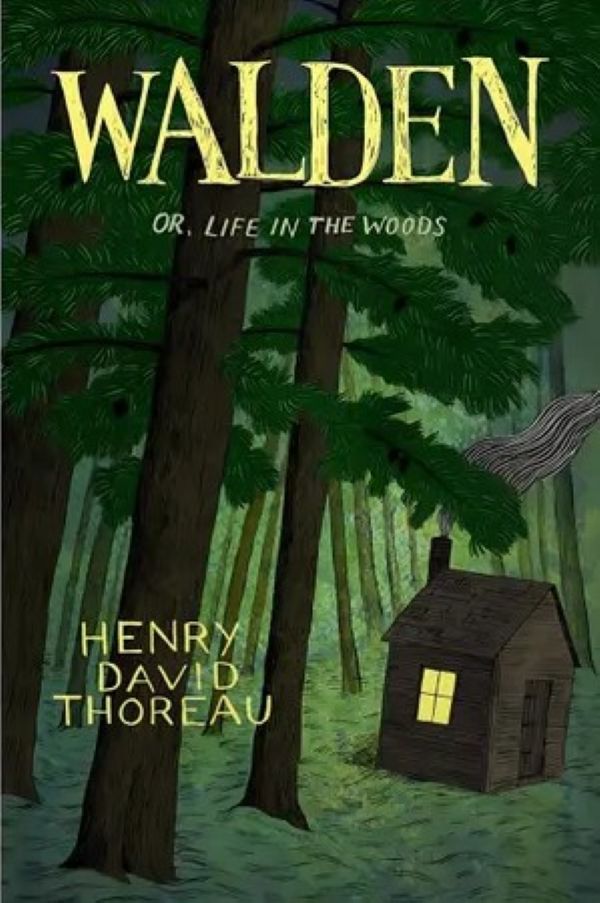
Paperback Covers Gallery
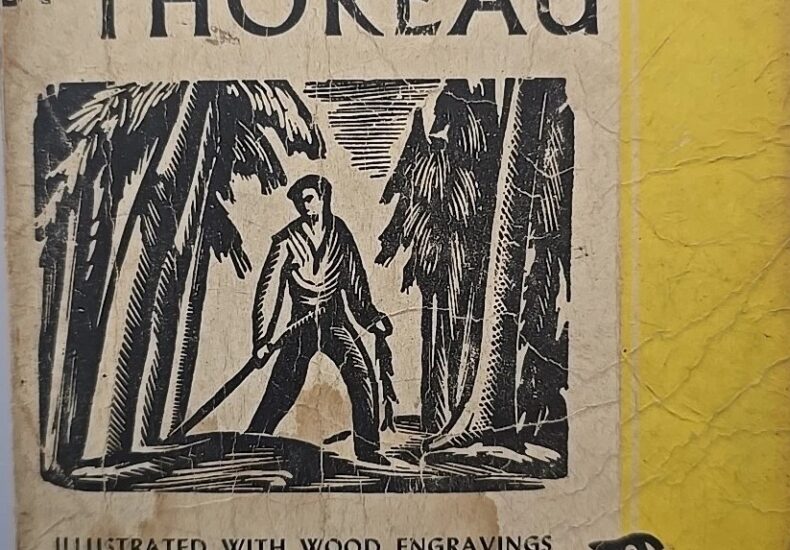
Henry David Thoreau’s Walden; or, Life in the Woods (1854) has inspired an incredible array of cover designs over the past 170+ years. Because the book focuses on self-reliance, nature, reflection, and deliberate living, graphic designers usually lean into woodcuts, deep forest palettes, mirror-like lake reflections, or stark minimalist layouts.
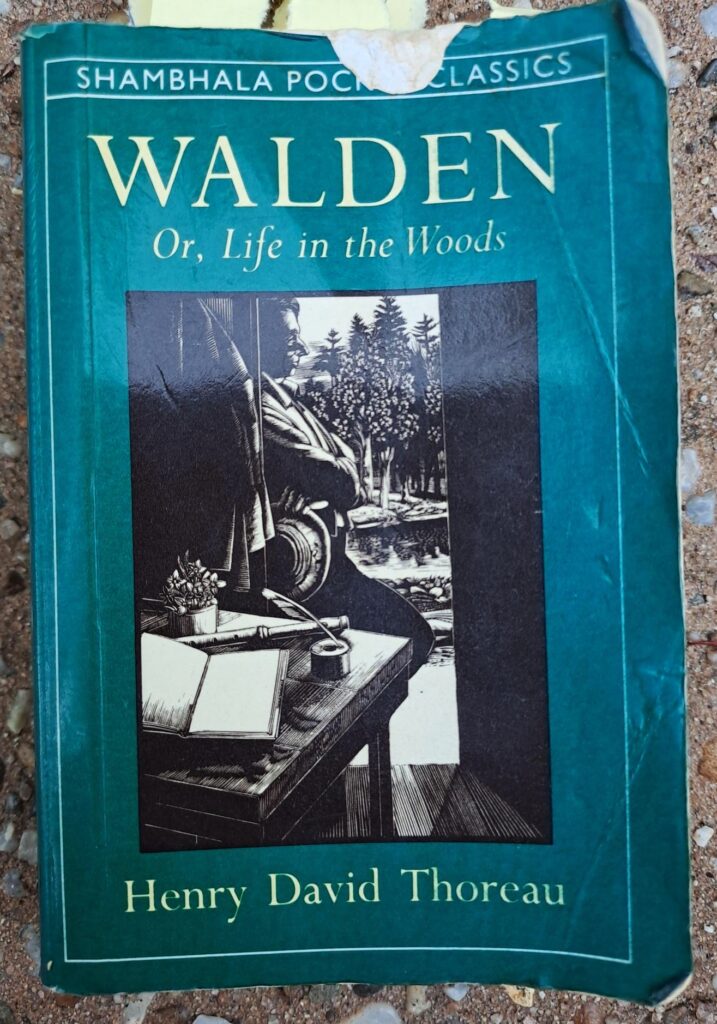
Lauren’s favorite paperback cover (and edition) is in the American woodcut style and has a glimpse of a day at the cabin, from the inside looking out with Henry in the doorway. It’s Shambhala Pocket Classics, 1992, it’s traveled the world with me for decades, and it’s pretty special.
Here are a few notable cover aesthetic directions that stand out across different editions. My favorite is the Mentor paperback at the bottom